San Jose Domestic Violence Attorneys | Expert Defense Lawyers & Legal Guide

If you’re facing domestic violence charges in San Jose, you need immediate legal representation from an attorney who understands Santa Clara County courts, local prosecutors, and California’s complex domestic violence laws. Whether you’ve been charged with PC 273.5 (corporal injury to a spouse), PC 243(e)(1) (domestic battery), or related offenses, the consequences can be severe: jail time, restraining orders, loss of gun rights, immigration problems, and damage to your professional reputation.

This comprehensive guide explains everything you need to know about domestic violence charges in San Jose, the defense strategies that work, the Santa Clara County court process, and how to select the right attorney for your case. Our featured attorneys specialize in domestic violence defense and have extensive experience in Santa Clara County Superior Court.

Quick Navigation: - Understanding Your Charges - Penalties and Consequences - Defense Strategies - Court Process - What to Do Now - How to Choose an Attorney - Frequently Asked Questions 

Domestic Violence Charges in California: What You’re Facing

California prosecutes domestic violence offenses aggressively, and San Jose is no exception. Understanding the specific charges you face is the first step in building your defense.

PC 273.5: CORPORAL INJURY TO SPOUSE OR COHABITANT
California Penal Code Section 273.5 is the most serious domestic violence charge. This felony applies when someone willfully inflicts a physical injury that results in a “traumatic condition” on an intimate partner. An intimate partner includes:
   • Current or former spouse
   • Current or former cohabitant
   • Current or former dating partner
   • Parent of your child

A “traumatic condition” means any wound or injury, whether minor or serious, caused by physical force. This can include bruises, cuts, broken bones, or even minor scratches if they result from direct physical contact.

Key Element: The prosecution must prove you acted willfully and that your actions directly caused a visible injury. Intent to injure is not required; the prosecution only needs to show you intentionally committed the act that caused the injury, even if the injury itself was unintended.

PC 243(E)(1): DOMESTIC BATTERY
Domestic battery under Penal Code Section 243(e)(1) is a misdemeanor offense. It involves unlawful touching that is harmful or offensive, committed against an intimate partner. Unlike PC 273.5, domestic battery does NOT require a visible injury.

The key differences:
PC 273.5 (Corporal Injury):
- Requires visible injury
- Felony charge
- Up to 4 years in state prison
- Mandatory formal probation
PC 243(e)(1) (Domestic Battery):
- No visible injury required
- Misdemeanor charge
- Up to 1 year in county jail
- May qualify for informal probation

RELATED DOMESTIC VIOLENCE CHARGES
Domestic violence cases in San Jose often involve additional charges:

PC 273a: Child Endangerment If children were present during the incident or if the alleged victim is pregnant, prosecutors may add child endangerment charges. This can be charged as a misdemeanor (up to 1 year) or felony (up to 6 years).
PC 273d: Corporal Punishment or Injury to a Child If the allegations involve physical discipline or injury to a child, prosecutors may file PC 273d charges alongside domestic violence allegations.
PC 136.1: Witness Intimidation Any contact with the alleged victim after arrest, even attempts to reconcile or apologize, can result in additional witness intimidation charges. This is a separate felony carrying 2 to 4 years in prison.
PC 646.9: Stalking Repeated unwanted contact, following, or threatening behavior can lead to stalking charges in addition to domestic violence allegations.
PC 368: Elder Abuse When the alleged victim is 65 or older, prosecutors may charge elder abuse, which carries enhanced penalties and is treated with extreme seriousness in Santa Clara County. 

Penalties and Consequences

The consequences of a domestic violence conviction in California extend far beyond jail time. Understanding the full range of penalties is critical when evaluating plea offers and defense strategies. 

PC 273.5 (Felony Corporal Injury):
- 2, 3, or 4 years in California state prison
- Alternative: Up to 1 year in county jail plus probation (at judge’s discretion)
- Great bodily injury enhancement: Additional 3 to 5 years if victim suffered significant or substantial injury

PC 243(e)(1) (Misdemeanor Domestic Battery):
- Up to 1 year in county jail
- Alternative: Probation without jail time (for first offense with mitigating factors)
- Summary (informal) probation typically 3 years

Prior Domestic Violence Convictions:
- Second PC 273.5 offense within 7 years: Mandatory minimum 15 days to 1 year in county jail, even with probation
- Third offense: Likely state prison sentence 

• PC 273.5: Up to $6,000 fine
• PC 243(e)(1): Up to $2,000 fine
• Domestic violence fund payment: Up to $5,000 (mandatory in many cases)
• Restitution to victim: Covers medical expenses, counseling, lost wages, property damage
• Court fees and assessments: $1,000 to $3,000 additional

Total financial cost can easily exceed $10,000 to $15,000 for a single conviction. 

California law requires anyone convicted of domestic violence to complete a batterer’s intervention program:
   • Minimum 52 weeks (1 year)
   • Weekly sessions, typically 2 hours each
   • Cost: $50 to $100 per session ($2,600 to $5,200 total)
   • Must be completed through state-certified provider
   • Failure to complete = probation violation = jail time

The program covers anger management, relationship dynamics, accountability, and non-violent communication. You cannot substitute online programs or private counseling. 

Criminal Protective Order (CPO):
- Issued automatically at arraignment in most San Jose domestic violence cases
- Requires no contact with alleged victim (no calls, texts, emails, social media, third-party contact)
- Typically lasts 3 years, but can be extended to 10 years - Violation is a separate misdemeanor or felony charge

Domestic Violence Restraining Order (DVRO):
- Civil order requested by alleged victim
- Can require you to move out of shared residence
- May restrict contact with children
- Can prohibit gun ownership
- Lasts up to 5 years, renewable

Emergency Protective Order (EPO):
- Issued by police at scene of arrest
- Lasts 5 to 7 days
- Automatically replaced by CPO at arraignment

Violating any protective order is charged under PC 166, punishable by up to 1 year in jail and $1,000 fine. For felony violation (involving violence or credible threat), penalties increase to up to 3 years in state prison. 

Misdemeanor Domestic Battery (PC 243(e)(1)):
- 10-year prohibition on owning or possessing firearms
- Must surrender all guns within 24 hours of conviction
- Failure to surrender = additional criminal charges

Felony Corporal Injury (PC 273.5):
- Lifetime ban on gun ownership under California and federal law
- Cannot possess firearms, ammunition, or even live in a home where guns are accessible

For law enforcement officers, security professionals, military personnel, and anyone whose job requires carrying a firearm, a domestic violence conviction means the end of your career. 

Domestic violence convictions carry severe immigration consequences. PC 273.5 and PC 243(e)(1) are both considered “crimes of moral turpitude” and may be classified as “crimes of domestic violence” under federal immigration law.

Potential Immigration Consequences:
- Deportation or removal proceedings
- Inadmissibility (cannot reenter U.S. if you leave)
- Denial of naturalization applications
- Denial of visa renewals
- Ineligibility for adjustment of status

Green Card Holders: A domestic violence conviction can result in removal proceedings, even if you’ve been a lawful permanent resident for years.

Visa Holders: Student visas, work visas, and tourist visas can be revoked. You may be denied reentry if you travel outside the U.S.

DACA Recipients: Any domestic violence conviction will likely result in termination of DACA status.

Path to Citizenship: A domestic violence conviction creates a permanent bar to showing “good moral character,” which is required for naturalization.

If you are not a U.S. citizen, it is critical to work with a criminal defense attorney who understands immigration law or who coordinates with an immigration attorney. In some cases, negotiating a plea to a non-deportable offense is possible. 

A domestic violence conviction can destroy professional licenses and career prospects:

Professional Licenses at Risk:
- Medical licenses (doctors, nurses, pharmacists, dentists)
- Teaching credentials and school employment
- Law licenses (attorneys cannot practice with moral turpitude convictions)
- Real estate licenses
- Contractor licenses
- Accounting and financial licenses (CPAs, financial advisors)

Background Check Impact:
- Appears on criminal background checks indefinitely
- Disqualifies from many jobs requiring trust or public contact
- Bars employment with children, elderly, or vulnerable populations

Security Clearance Impact (Critical for Tech Workers): San Jose’s location in Silicon Valley means many defendants work in tech, defense, or aerospace industries that require security clearances. A domestic violence conviction:
- Revokes existing security clearances
- Disqualifies you from obtaining future clearances
- Ends careers in defense contracting, government IT, cybersecurity, and many tech roles

Even if your current employer doesn’t require a clearance, future job opportunities requiring government contracts or classified access will be closed to you. 

Common Defense Strategies

Domestic violence charges can be defended successfully.
Experienced San Jose defense attorneys use these strategies depending on the specific facts of your case: 

FALSE ACCUSATIONS
False allegations of domestic violence are common, particularly in:
- Child custody disputes (fabricating abuse to gain custody advantage)
- Divorce proceedings (creating leverage in property or support negotiations)
- Revenge for infidelity or breakup
- Mental health crises or personality disorders

Defense Approach: Investigate the accuser’s motive, inconsistencies in their story, lack of independent witnesses, absence of injury, and history of false accusations. Your attorney will examine the timeline of when allegations arose (often coinciding with custody filings or relationship breakups).

SELF-DEFENSE OR DEFENSE OF OTHERS
California law allows use of reasonable force to defend yourself or others from immediate harm. If you were protecting yourself, your children, or another person from the alleged victim’s violence, you may have a complete defense.

Key Requirements:
- You reasonably believed you or someone else was in imminent danger
- You reasonably believed force was necessary to prevent harm
- You used no more force than necessary

Defense Approach: Document any injuries you sustained, prior incidents of violence by the accuser, witness statements, and any evidence showing the accuser was the aggressor.

ACCIDENTAL INJURY
If an injury occurred but was not intentional, you cannot be convicted of PC 273.5 (which requires willful infliction of injury).

Examples:
- Injury occurred during mutual attempt to prevent someone from leaving
- Accidental contact during heated argument with hand gestures
- Injury from falling or stumbling during argument

Defense Approach: Demonstrate the injury was inconsistent with intentional violence, interview witnesses who saw the incident, and challenge the prosecution’s claim that you acted willfully. 

INSUFFICIENT EVIDENCE
The prosecution bears the burden of proving every element of the crime beyond a reasonable doubt. If the evidence is weak, your attorney can file a motion to dismiss or take the case to trial with confidence.

Common Evidence Weaknesses:
- No independent witnesses (only accuser’s word)
- No photos of injuries
- Delayed reporting to police (suggesting fabrication)
- Inconsistent statements by accuser
- Accuser recants or refuses to cooperate (though prosecution can proceed without victim cooperation)
- No 911 call or contemporaneous complaint

Defense Approach: Challenge the credibility of the accuser, file Pitchess motion to obtain police personnel records if officers acted improperly, suppress evidence obtained through illegal search or arrest.

CONSTITUTIONAL VIOLATIONS
If police violated your Fourth Amendment rights (illegal search), Fifth Amendment rights (Miranda violation), or Sixth Amendment rights (denial of attorney), your attorney can file motions to suppress evidence or dismiss charges.

Common Violations:
- Warrantless entry into home without exigent circumstances
- Search of phone or home without warrant or consent
- Interrogation after you invoked right to remain silent
- Interrogation after you requested an attorney
- Coerced confession

Defense Approach: File motion to suppress evidence obtained illegally. If granted, the prosecution may lose critical evidence and be forced to dismiss.

MUTUAL COMBAT
If both parties were equally engaged in a physical altercation, you may argue mutual combat. While not a complete defense, it can reduce charges or result in both parties being charged (often leading to dismissal).
Defense Approach: Show that the alleged victim was aggressive, struck first, or engaged willingly in the fight. This is particularly effective when both parties have injuries. 

The Criminal Court Process in Santa Clara County

Understanding what happens after arrest helps you make informed decisions and avoid critical mistakes. 

ARREST AND BOOKING

Immediate Actions by Police:
- Mandatory arrest if officer has probable cause to believe domestic violence occurred (California law requires arrest, even if victim doesn’t want it)
- Transport to Santa Clara County Jail for booking
- Issuance of Emergency Protective Order (EPO) prohibiting contact with victim
- Collection of evidence: photos of injuries, recording of statements, collection of clothing or other physical evidence

What Happens at Booking:
- Fingerprinting and photographing
- Criminal history check
- Health screening
- Property inventory
- Holding in custody pending arraignment (typically 24 to 48 hours)

Critical: Do NOT make statements to police. Politely assert your right to remain silent and request an attorney. Anything you say will be used against you, even seemingly innocent explanations. 

BAIL AND RELEASE

Bail Amounts in Santa Clara County:
- PC 243(e)(1) (misdemeanor): $20,000 to $50,000 typical bail
- PC 273.5 (felony): $50,000 to $100,000+ depending on injury severity and criminal history

Release Options:
- Post bail (cash, property bond, or bail bondsman)
- Own recognizance (OR) release (no bail required, but rare in DV cases)
- Pre-trial services program (electronic monitoring, regular check-ins)

Most domestic violence defendants in San Jose must post bail. A bail bondsman charges 10% of the bail amount (non-refundable premium).

Conditions of Release:
- Comply with protective order (no contact with victim)
- Surrender firearms within 24 hours
- Attend all court dates
- Remain in California (or obtain court permission to travel)

Violating bail conditions = bail revoked, return to custody. 

ARRAIGNMENT: YOUR FIRST COURT APPEARANCE

Arraignment occurs within 48 hours of arrest (excluding weekends and holidays). This happens at the Santa Clara County Superior Court, Hall of Justice, 191 N. First Street, San Jose.

What Happens at Arraignment:
- Formal reading of charges
- Entry of plea (guilty, not guilty, or no contest)
- Issuance of Criminal Protective Order (replaces EPO)
- Setting of bail (if not already posted)
- Setting of next court date (typically pretrial conference)

Your Attorney’s Role:
- Review charging documents
- Advise on plea (almost always “not guilty” at this stage)
- Argue for bail reduction
- Negotiate protective order terms (if victim agrees to contact, attorney can request modifications)

Never plead guilty at arraignment. You need time to investigate, negotiate with prosecutors, and explore all defense options. 

PRETRIAL PROCEEDINGS

Pretrial Conference: Occurs 2 to 4 weeks after arraignment. Your attorney meets with the prosecutor to discuss the case, review evidence, and negotiate potential plea bargains.

Discovery: Your attorney receives the prosecution’s evidence:
- Police reports
- Witness statements
- Photos and videos
- Medical records
- 911 calls and body camera footage
- Prior domestic violence reports

Pretrial Motions: Your attorney may file motions to:
- Suppress illegally obtained evidence
- Dismiss charges for lack of probable cause
- Obtain additional discovery
- Modify protective order

Plea Negotiations: Most domestic violence cases in Santa Clara County resolve through plea bargaining:
- Reduction from felony to misdemeanor
- Dismissal of some charges
- Reduction from PC 273.5 to PC 243(e)(1)
- Alternative sentencing (probation instead of jail) 

TRIAL

If no plea agreement is reached, your case proceeds to trial.

Jury Trial (misdemeanor or felony):
- 12 jurors must unanimously agree on guilt
- Prosecution presents evidence first
- Defense cross-examines witnesses and may present evidence - Both sides make closing arguments
- Jury deliberates and renders verdict

Trial Timeline:
- Misdemeanor: Trial within 30 to 45 days of arraignment (if you waive speedy trial, can take 3 to 6 months)
- Felony: Preliminary hearing first (within 10 days if in custody), then trial within 60 days of preliminary hearing

Trial Outcomes:
- Not guilty: All charges dismissed, case over
- Guilty: Sentencing hearing scheduled
- Hung jury: Mistrial declared, prosecution can retry case 

SENTENCING

If convicted (by plea or trial), the judge imposes sentence at a sentencing hearing, typically 2 to 4 weeks after conviction.

Factors Considered:
- Severity of injury
- Criminal history
- Aggravating factors (used weapon, violated restraining order, children present)
- Mitigating factors (first offense, remorse, voluntary counseling, victim’s wishes)

Sentencing Options:
- Probation (with or without jail time)
- Straight jail or prison sentence
- Split sentence (partial jail, partial probation)

Probation Conditions for Domestic Violence:
- Complete 52-week batterer’s program
- Pay restitution to victim
- Comply with protective order
- Random drug/alcohol testing
- Surrender firearms
- No new law violations
- Regular check-ins with probation officer

Violating probation results in arrest, revocation hearing, and imposition of original jail or prison sentence. 

Restraining Orders and Protective Orders

Domestic violence cases in San Jose almost always involve protective orders. Understanding the different types and how to respond is critical.

Emergency Protective Order (EPO):
- Issued by police at time of arrest
- Lasts 5 to 7 days
- No hearing required
- Prohibits contact with victim
- Automatically expires when replaced by Criminal Protective Order

Criminal Protective Order (CPO):
- Issued by judge at arraignment
- Lasts duration of criminal case, typically extended to 3 years (up to 10 years)
- Part of criminal case, not civil matter
- Prohibits contact with victim
- May include stay-away orders (must remain 100+ yards away)
- May prohibit contact with children or shared residence

Domestic Violence Restraining Order (DVRO):
- Civil order requested by alleged victim
- Separate from criminal case
- Requires court hearing (you have right to contest)
- Can last up to 5 years, renewable
- Can include custody and visitation orders
- Can require you to move out of shared home
- Can prohibit gun ownership 

DO NOT Ignore It: Even if you believe the allegations are false, you must comply with all orders or face arrest and additional criminal charges.

Attend the Hearing: If you receive notice of a DVRO hearing, attend with an attorney. This is your opportunity to contest the order and present your side.

Prepare Evidence:
- Text messages or emails showing relationship context
- Witnesses who can testify about the accuser’s behavior
- Evidence of your good character and lack of violence
- Documentation of false accusations by accuser in the past

Request Modifications: If the order interferes with child custody, employment, or other critical needs, your attorney can request reasonable modifications (e.g., allowing electronic communication about children, peaceful contact at custody exchanges).

Never Contact the Protected Person: Even if they contact you first, even if they say they want to reconcile, even if you believe the order is unfair. Any contact violates the order and gives prosecutors additional ammunition. 

Violating a protective order is charged under PC 166(a)(4):
- First offense: Misdemeanor, up to 1 year in jail, $1,000 fine
- With violence or credible threat: Felony, up to 3 years in state prison

What Counts as a Violation:
- Phone calls, texts, emails, social media messages
- In-person contact, even accidental
- Third-party contact (asking friend or family member to relay message)
- Going to victim’s home, workplace, or other locations they frequent
- Indirect contact (posting about them on social media, sending gifts, etc.)

Prosecutors take protective order violations extremely seriously. Even if the alleged victim initiates contact, you can still be charged. The solution: document all contact initiated by them, do not respond, and notify your attorney immediately. 

What to Do If You’ve Been Arrested for Domestic Violence

The first 24 to 48 hours after arrest are critical. The decisions you make now can determine the outcome of your case.

FIRST 24 HOURS: CRITICAL ACTION PLAN
DO:

1. Remain Silent: Do not explain yourself to police. Politely say, “I am invoking my right to remain silent and would like to speak to an attorney.”
2. Request an Attorney Immediately: Say, “I want to speak to a lawyer” as soon as you are arrested. Repeat this request if questioned.
3. Post Bail Quickly: Contact family or a bail bondsman to arrange release as soon as possible. Extended jail time makes it harder to prepare your defense.
4. Document Your Injuries: If you have any injuries, take photos immediately upon release. These may support a self-defense or mutual combat claim.
5. Write Down Everything You Remember: While details are fresh, write a detailed account of what happened. Include timeline, witnesses, location of injuries, who was the aggressor, and any threats made by the accuser. Give this to your attorney only.
6. Preserve Evidence: Save all text messages, emails, voicemails, and social media communications with the accuser. Do not delete anything.
7. Contact a Domestic Violence Defense Attorney: Call an attorney who specializes in domestic violence cases in Santa Clara County, not a general criminal defense lawyer.

DO NOT:
1. Do NOT Talk to Police: No matter how innocent you are, no matter how much you want to explain, do not speak to police without an attorney. You cannot talk your way out of an arrest.
2. Do NOT Contact the Alleged Victim: Even if you believe they will drop the charges, even if you want to apologize, even if they contact you first. Any contact violates the protective order and creates additional charges.
3. Do NOT Destroy Evidence: Do not delete texts, emails, or social media posts. Do not wash clothing or clean up any physical evidence. This can be charged as destruction of evidence.
4. Do NOT Post on Social Media: Anything you post can be used against you. Prosecutors monitor defendants’ social media accounts.
5. Do NOT Discuss Your Case: Other than with your attorney, do not discuss the case with friends, family, or anyone else. Witnesses can be subpoenaed to testify about your statements.
6. Do NOT Miss Court Dates: Missing arraignment or any court appearance results in a bench warrant for your arrest and forfeiture of bail.

YOUR RIGHTS
Fifth Amendment:
You have the right to remain silent. Anything you say can and will be used against you.
Sixth Amendment: You have the right to an attorney. If you cannot afford one, a public defender will be appointed.
Fourth Amendment: You are protected against unreasonable searches and seizures. Police need a warrant to search your home, phone, or car (with some exceptions).

You Have the Right To:
- Make a phone call after arrest
- Post bail (in most cases)
- Know the charges against you
- Review the evidence against you
- Confront witnesses at trial
- Present evidence and witnesses in your defense
- A speedy trial 

WHEN TO HIRE AN ATTORNEY

Immediately. Do not wait for arraignment. The sooner your attorney gets involved, the better your outcome.

Why Early Representation Matters:

- Your attorney can contact the prosecutor before charges are filed and potentially prevent filing
- Early investigation preserves evidence before it disappears (witnesses forget, video footage is deleted, etc.)
- Your attorney can arrange a voluntary surrender if a warrant is issued, avoiding a public arrest
- You’ll have guidance on bail, protective orders, and next steps before your first court appearance

Public Defender vs. Private Attorney:

Santa Clara County public defenders are competent and experienced, but they carry caseloads of 150+ cases. A private attorney can:
- Dedicate more time to your case
- Conduct independent investigation (hire investigators, expert witnesses)
- Be available for calls and meetings outside court
- Negotiate more aggressively (private attorneys often have better relationships with prosecutors due to repeat interactions)

If you can afford a private attorney, hire one. If not, the public defender is a legitimate option.

BAIL INFORMATION IN SANTA CLARA COUNTY

How Bail Works:

- Judge sets bail amount at arraignment based on charges and criminal history
- You can post full amount in cash (refunded when case concludes)
- Or pay a bail bondsman 10% (non-refundable) who posts the full amount

Typical Bail Amounts:
- PC 243(e)(1) misdemeanor: $20,000 to $50,000
- PC 273.5 felony: $50,000 to $150,000
- Additional charges or injury enhancements increase bail

Bail Bondsman Costs:
- 10% of bail amount (e.g., $5,000 for $50,000 bail)
- Non-refundable, even if charges are dismissed
- May require collateral (house, car, etc.) for high bail amounts

Alternatives to Bail:
- Own recognizance (OR) release: Released without bail, rare in DV cases
- Supervised OR: Released with conditions (GPS monitoring, check-ins)
- Pretrial release program: Electronic monitoring, drug testing, etc.

Your attorney can argue for bail reduction at arraignment if the initial amount is excessive. 

How to Choose a Domestic Violence
Defense Attorney in San Jose

Not all criminal defense attorneys are equally qualified to handle domestic violence cases.
Here’s how to select the right lawyer for your situation.

Experience in Santa Clara County Courts:
Local knowledge matters. Your attorney should:
- Regularly practice in Santa Clara County Superior Court
- Know the local judges and their tendencies
- Have relationships with prosecutors in the District Attorney’s Office
- Understand local court procedures and informal practices

An attorney from another county may not know which judges are lenient on first offenses, which prosecutors are open to negotiation, or how to navigate local court administration.

Specialization in Domestic Violence Defense: Look for an attorney who handles domestic violence cases regularly, not someone who takes any criminal case that walks in. Domestic violence law has unique elements:
- Mandatory protective orders
- Batterer’s treatment programs
- Immigration consequences
- Professional license impacts
- Interplay with family law (custody, divorce)

Ask: “What percentage of your cases are domestic violence?” A good answer is 30% or higher.

Trial Experience: Many cases settle through plea bargains, but your attorney must be willing and able to take your case to trial if necessary. Ask:
- How many domestic violence trials have you handled?
- What was the outcome?
- What percentage of your cases go to trial?

Prosecutors are more willing to offer favorable plea deals when they know the defense attorney is a skilled trial lawyer who won’t be intimidated. 

Former Prosecutor:
- Understands how prosecutors build cases
- May have relationships with current prosecutors (can help in negotiations)
- Knows police procedures and what evidence is needed for conviction
- May be more aggressive in challenging weak cases

Former Public Defender:
- Extensive trial experience (public defenders try more cases than most private attorneys)
- Skilled at cross-examination and defending against strong evidence
- Familiar with court procedures and alternative sentencing options
- Often more empathetic to defendants

Both backgrounds have value. What matters more is their current skill, reputation, and dedication to your case. 

About Their Experience:
1. How many domestic violence cases have you handled in Santa Clara County?
2. What percentage of your cases are domestic violence?
3. Have you handled cases involving [your specific charges: PC 273.5, PC 243(e)(1), etc.]?
4. How many of your cases go to trial vs. settle?
5. What is your success rate (dismissals, acquittals, reduced charges)?

About Your Case:
1. What defenses apply to my situation?
2. What is the likely outcome (best case, worst case, most realistic)?
3. How long will the case take?
4. What are my chances of avoiding jail time?
5. Can charges be reduced from felony to misdemeanor?
6. How will this affect my immigration status / professional license / security clearance?

About Fees and Costs:
1. What is your fee structure (flat fee vs. hourly)?
2. What is included in the fee (trial, motions, investigation)?
3. What additional costs should I expect (investigators, expert witnesses, filing fees)?
4. Do you offer payment plans?
5. Will you personally handle my case or will a junior attorney handle it?

Red Flags to Avoid:
- Guarantees a specific outcome (no ethical attorney can guarantee results)
- Pressures you to plead guilty immediately
- Hasn’t handled many DV cases in Santa Clara County
- Seems unfamiliar with immigration or professional licensing consequences
- Doesn’t clearly explain fees 

Typical Attorney Fees for Domestic Violence Cases in San Jose:
- Misdemeanor (PC 243(e)(1)): $3,000 to $7,500 flat fee
- Felony (PC 273.5): $7,500 to $20,000+ flat fee
- Hourly Rates: $300 to $500 per hour (less common for DV cases)

What’s Included:
- Arraignment and all court appearances
- Review of discovery (police reports, evidence)
- Investigation and witness interviews
- Plea negotiations with prosecutor
- Pretrial motions (in most cases)
- Trial preparation and trial (some attorneys charge separately for trial)

Additional Costs:
- Private investigator: $1,000 to $5,000
- Expert witnesses (medical, forensic): $2,000 to $10,000
- Appeal (if necessary): $10,000 to $30,000+

Payment Plans: Many San Jose domestic violence attorneys offer payment plans:
- Down payment (30% to 50%) at time of hiring
- Monthly payments over 3 to 6 months
- Some accept credit cards (with processing fees)

Discuss payment options during your consultation. Your financial situation should not prevent you from hiring qualified counsel. 

San Jose’s diverse population means language access is critical. If English is not your first language, look for:
- Attorneys who speak Spanish, Vietnamese, Mandarin, or other languages
- Law firms with bilingual staff
- Access to interpreters for court proceedings

Clear communication with your attorney is essential. You must understand the charges, your options, and the consequences of each decision. 

Featured Domestic Violence Defense Attorneys in San Jose

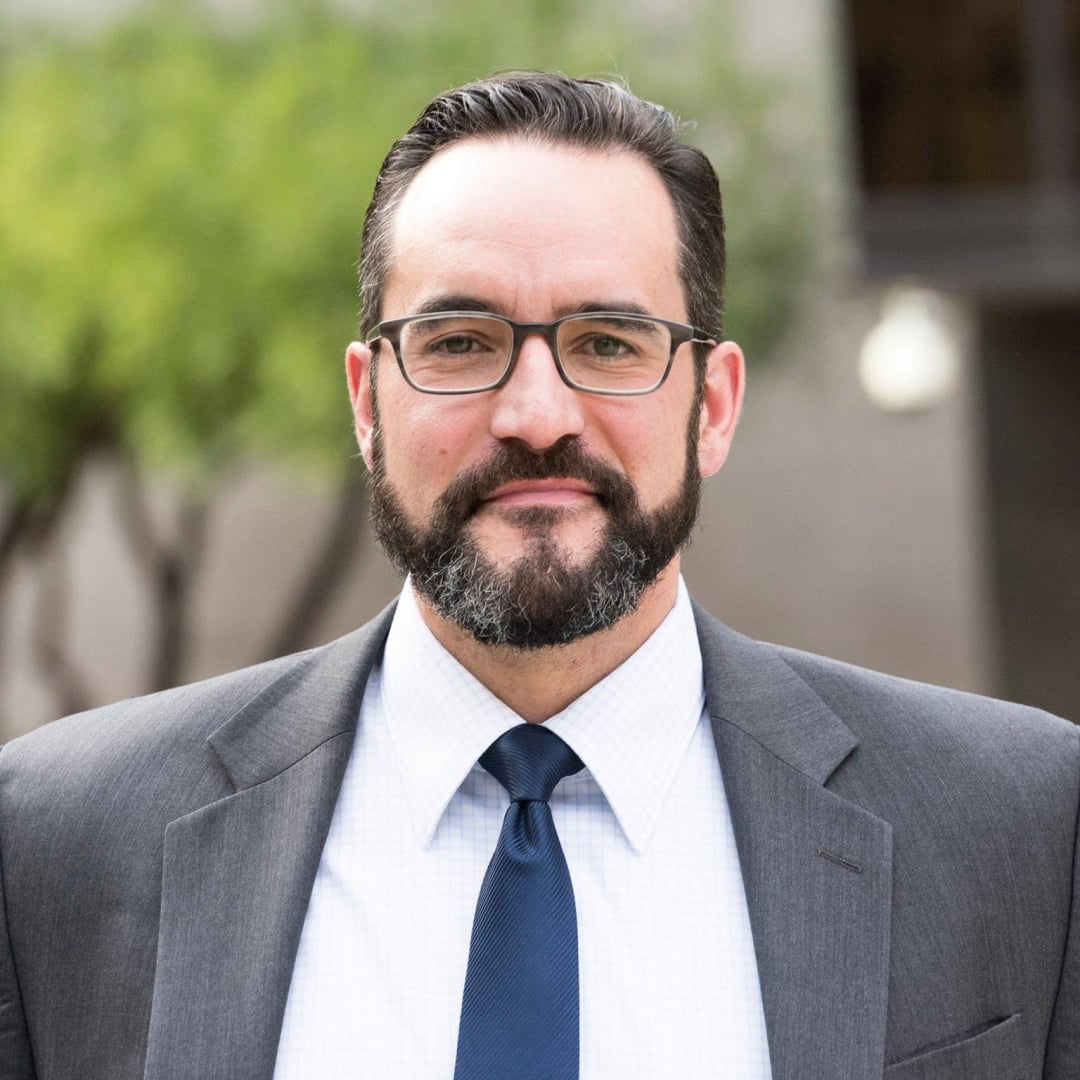
Dmitry Stadlin

Experience: Over a decade of experience defending domestic violence cases in Santa Clara County
Background:
-B.A. in Political Science from University of California, Davis
-Juris Doctor Degree from University of California College of the Law, San Francisco (formerly UC Hastings)
-Worked as a law clerk with the District Attorney’s Offices in Alameda, San Mateo, and Santa Clara County
Specialties:
- Domestic Violence Cases
- Restraining Orders
- Assault Cases
- Child Abuse
- Child Endangerment
Languages: English, Russian
Notable Results: 
-Domestic violence battery charge (PC 242/243(e)) dismissed at the start of trial
-Multiple felony and misdemeanor charges dismissed after successful motions to suppress evidence
Contact: (408) 645-7801
https://stadlinlaw.com/
Free Consultation Available 

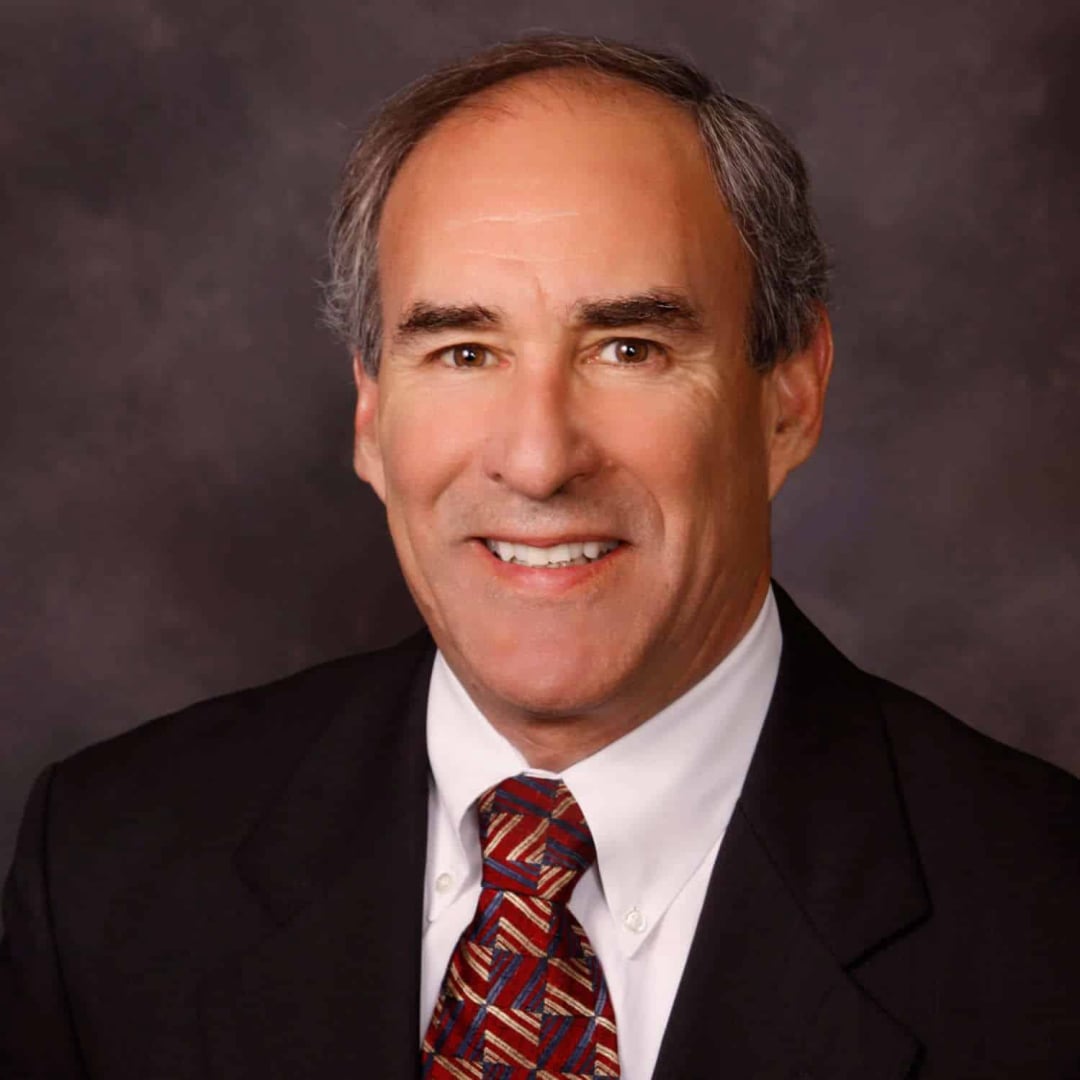
Aaron Shnider

Experience: More than 15 years of experience defending domestic violence cases in Santa Clara County
Background:
-Worked at numerous law firms before college
-Graduated magna cum laude in Law school
Specialties:
- Domestic Violence Cases
- Restraining Orders
- Assault Charges
Languages: English, Spanish
Notable Results: 
-Protected hundreds of clients from serious felony convictions
-Achieved case dismissals, acquittals, and reduced charges or sentences for many clients
-Successfully negotiated reduced jail time in various criminal cases
Contact: (408) 438-5491
https://shniderlaw.com/
Free Consultation Available 

Patrick Valencia

Experience: More than 40 years of experience defending domestic violence cases
Background:
-Co-founder of VIB Law
-B.S. from Santa Clara University
-Graduated from Santa Clara University School of Law
Specialties:
- Domestic Violence
- Family-Related Cases
- Protective Orders
- Domestic Battery
Languages: English
Notable Results: 
-Successfully defended thousands of criminal and juvenile cases during his decades-long legal career
Contact: (408) 920-9720
https://www.viblaw.com/
Free Consultation Available 

Brendan Barrett

Experience: Has extensive experience defending individuals accused of domestic violence offenses in San Jose and throughout Santa Clara County
Background:
-Founder of the Law Offices of Brendan Barrett in San Jose
-B.A. from Boston University
-Juris Doctor from the University of San Francisco School of Law
-Worked with the Santa Clara County Public Defender’s Office and the San Francisco Public Defender’s Office
-Served in a judicial clerkship with the Santa Clara County Superior Court
Specialties:
- Domestic Violence Cases
- Assault and Battery
Languages: English, Spanish
Notable Results:
-Acquittal in a homicide jury trial with a unanimous verdict
-Multiple domestic violence and criminal cases resulting in dismissals for clients
Contact: (408) 508-5030
https://www.barrettlaw.org/
Free Consultation Available 

Thomas Nicholas Cvietkovich

Experience: Nearly two decades of legal experience representing clients in domestic violence cases in California
Background:
-Founder of the Law Offices of Thomas Nicholas Cvietkovich
-Graduated from Santa Clara University School of Law
-Worked at the Placer County Public Defender’s Office
Specialties:
- Domestic Violence Cases
- Family Law
- Domestic Battery
Languages: English
Notable Results:
-Over 3,000 cases handled during his legal career
-Known for successfully defending clients in criminal and family law matters, including domestic violence
Contact: (408) 898-9770
https://www.bayareadefenseattorney.com/
Free Consultation Available 

First Offense vs. Repeat Offense:
What’s Different?

The consequences of a domestic violence conviction escalate significantly if you have a prior conviction.

FIRST OFFENSE
PC 273.5 (Felony Corporal Injury):

- Probation possible (instead of prison)
- Potential for charge reduction to misdemeanor
- Alternative sentencing options (counseling, community service)
- Expungement eligible after probation completion
PC 243(e)(1) (Misdemeanor Domestic Battery):
- Probation highly likely (instead of jail)
- May qualify for deferred entry of judgment
(rare in California for DV)
- Expungement eligible after probation completion
Typical First Offense Outcomes:
- Reduction from PC 273.5 to PC 243(e)(1)
- Probation with no jail time (or minimal jail time)
- Completion of 52-week batterer’s program
- Restraining order (3 to 5 years)

Prosecutors and judges are more lenient with first-time offenders who show remorse, complete counseling voluntarily, and have no history of violence.


REPEAT OFFENSE
Second Domestic Violence Conviction:

- Mandatory minimum 15 days in county jail (even with probation)
- Probation extended to 5 years
- Increased fines (up to $10,000)
- Longer restraining order (10 years)
- Lifetime gun ban (if not already imposed)
Third or Subsequent Conviction:
- Prison sentence likely (probation rarely granted)
- Enhanced penalties under California’s recidivist statutes
- No eligibility for expungement
- Permanent professional license revocation
Probation Terms for Repeat Offenders:
Stricter conditions including:
- Random searches (home, car, electronic devices)
- GPS monitoring
- Frequent probation officer check-ins
- Prohibited contact with new romantic partners without approval
- Mandatory substance abuse treatment

ALTERNATIVE SENTENCING OPTIONS
First Offenders May Qualify For:

- House arrest (electronic monitoring) instead of jail
- Work release (serve jail time on weekends, work during week)
- Community service in lieu of some jail time
- Voluntary counseling before sentencing (shows remorse, improves outcome)
Diversion Programs:
California does NOT have formal diversion programs for domestic violence (unlike some states).
However, some counties offer informal diversion where:
- Charges are “held” while you complete counseling
- If successfully completed, charges are reduced or dismissed
- Rare in Santa Clara County but worth asking your attorney 

Can Domestic Violence Charges Be Dropped?

This is one of the most common questions, and the answer surprises many defendants.

THE VICTIM CANNOT DROP CHARGES
In California, once police submit a domestic violence case to the District Attorney’s Office, only the prosecutor can decide whether to file charges or dismiss them. The alleged victim has no legal authority to “drop” charges.

Why This Policy Exists:
- Victims often face pressure from abusers to recant
- Victims may still be in danger and unable to make free choices
- Domestic violence is treated as a crime against the state, not just the individual

Even if the alleged victim:
- Recants their statement
- Refuses to cooperate with prosecution
- Tells the prosecutor they don’t want charges filed
- Writes a letter asking for dismissal

The prosecutor can still proceed with the case and often does.

WHEN PROSECUTORS MIGHT DISMISS CHARGES
While victims can’t drop charges, prosecutors may choose to dismiss in certain circumstances:

Lack of Evidence:
- No independent witnesses
- No photos of injuries
- Victim refuses to testify and there’s insufficient other evidence
- Inconsistencies in victim’s statements
- Evidence of false accusation

Victim Non-Cooperation: If the victim refuses to appear at trial, the prosecutor may have difficulty proving the case. However, they can:
- Subpoena the victim to testify (forcing them to court)
- Use “excited utterance” exception (statements made to 911 or police immediately after incident can be admitted without victim testimony) - Proceed with other evidence (photos, medical records, witness statements)

Constitutional Violations: If your attorney files a successful motion to suppress evidence due to illegal search, Miranda violation, or other constitutional issue, the prosecutor may lack sufficient evidence to proceed.

Witness Credibility Issues: If the alleged victim has:
- History of false accusations
- Prior inconsistent statements
- Motive to fabricate (custody dispute, revenge)
- Mental health issues affecting credibility

The prosecutor may conclude the case is too weak to win at trial.

PLEA BARGAINING TO REDUCED CHARGES
More commonly than outright dismissal, prosecutors in Santa Clara County offer plea bargains:

Common Reductions:
- PC 273.5 (felony) reduced to PC 243(e)(1) (misdemeanor)
- PC 273.5 reduced to PC 242 (simple battery, non-domestic)
- PC 243(e)(1) reduced to PC 415 (disturbing the peace)

Why Reduction to Non-Domestic Charge Matters:
- PC 242 (simple battery) or PC 415 (disturbing the peace) do not carry:
- Mandatory 52-week batterer’s program
- Automatic gun ban
- Deportation consequences (in many cases)
- Professional license revocation

A skilled attorney negotiates these reductions by:
- Highlighting weaknesses in the prosecution’s case
- Presenting mitigating evidence (character witnesses, voluntary counseling)
- Demonstrating you are not a danger and the incident was isolated
- Showing the victim does not support prosecution 

Expungement: Clearing Your Record

Even after completing your sentence, a domestic violence conviction remains on your record indefinitely. Expungement can provide relief.

ELIGIBILITY FOR EXPUNGEMENT (PC 1203.4)
You may be eligible to expunge a domestic violence conviction if:
- You completed probation successfully (or obtained early termination)
- You completed all court-ordered requirements (batterer’s program, restitution, etc.)
- You are not currently charged with another offense
- You are not serving a sentence for another offense
- You did not serve time in California state prison for this offense (county jail is OK)
Note: If you were sentenced to state prison, you are NOT eligible for expungement under PC 1203.4. You may be eligible for a Certificate of Rehabilitation (different process).

THE EXPUNGEMENT PROCESS
1. File Petition:
Your attorney files a petition with the court where you were convicted
2. Prosecutor Review: The District Attorney can oppose the petition (rare if you’ve complied with all terms)
3. Court Hearing: Judge reviews your compliance, criminal history since conviction, and reason for expungement
4. Order Granted: If approved, judge sets aside the conviction and dismisses the case

Timeline: 2 to 4 months from filing to final order.
Cost: Attorney fees typically $1,000 to $2,500, plus court filing fees.

BENEFITS OF EXPUNGEMENT
What Expungement DOES:

- Allows you to legally state you have not been convicted (in most situations)
- Removes conviction from most background checks
- Restores right to serve on a jury
- Helps with employment (private employers generally cannot ask about expunged convictions)
- Improves rental applications
What Expungement DOES NOT Do:
- Does NOT restore gun rights (separate process required)
- Does NOT remove conviction from law enforcement databases (police and prosecutors can still see it)
- Does NOT prevent use of conviction for sentence enhancement if convicted of new crime
- Does NOT eliminate immigration consequences (USCIS can still see expunged convictions)
- Does NOT remove conviction for professional licensing purposes in many cases

GUN RIGHTS RESTORATION
Restoring gun rights after domestic violence conviction requires separate petitions:

Misdemeanor (10-year ban):
- After 10 years, can petition court to restore rights
- Must show rehabilitation and no new offenses
- Judge has discretion to grant or deny
Felony (lifetime ban):
- Extremely difficult to restore gun rights
- Requires reduction of felony to misdemeanor (PC 17(b) motion)
PLUS successful expungement PLUS separate gun rights petition
- Federal ban may remain even if California rights restored

Consult an attorney specializing in gun rights restoration if this is critical to your career or personal situation. 

Immigration Consequences: What Non-Citizens Need to Know

If you are not a U.S. citizen, a domestic violence conviction can destroy your immigration status and result in deportation. The stakes are higher than for U.S. citizens.

WHICH CONVICTIONS TRIGGER IMMIGRATION CONSEQUENCES
Crimes of Moral Turpitude (CMT):
Both PC 273.5 and PC 243(e)(1) are considered crimes of moral turpitude, which can result in:
- Inadmissibility (cannot enter or reenter U.S.)
- Deportability (can be removed even if lawful permanent resident)
Crimes of Domestic Violence (Federal Definition):
Under federal immigration law, a “crime of domestic violence” is an offense that involves:
- Use or attempted use of physical force
- Threatened use of deadly weapon
- Against a current or former intimate partner

Both PC 273.5 and PC 243(e)(1) meet this definition.

IMMIGRATION CONSEQUENCES BY STATUS
Green Card Holders (Lawful Permanent Residents):

- Subject to removal proceedings - May be detained by ICE after serving sentence
- May be barred from naturalization (unable to become U.S. citizen) - May be denied reentry if you travel outside U.S.
Visa Holders (H-1B, F-1, etc.):
- Visa will likely be revoked - Denied reentry to U.S. if you leave
- Unable to renew visa - Barred from adjusting status to green card
DACA Recipients:
- DACA status will be terminated - Subject to removal proceedings
- No longer eligible for work authorization or protection from deportation
Undocumented Individuals:
- Deportation highly likely - Permanent bar to legal status in most cases - Unable to apply for asylum or other relief

PADILLA WARNING
Under Padilla v. Kentucky (U.S. Supreme Court), your attorney has a constitutional duty to inform you of immigration consequences before you plead guilty. If your attorney fails to do this, you may be able to withdraw your plea later.

Before accepting any plea bargain, ask your attorney:
- Will this conviction make me deportable?
- Will this affect my ability to get a green card or citizenship?
- Are there alternative charges that don’t carry immigration consequences?

ALTERNATIVE PLEA BARGAINS TO AVOID DEPORTATION
In some cases, your attorney can negotiate a plea to an offense that does NOT trigger deportation:

Non-Deportable Offenses:
- PC 415 (disturbing the peace) if pled as non-domestic incident
- PC 242 (simple battery) without domestic violence finding
- PC 602 (trespassing) in rare cases

Critical Language in Plea Agreement: The plea must NOT include a factual basis admitting:
- Use of force against intimate partner - Violence in a domestic relationship

Your attorney must work closely with an immigration attorney to craft a plea that protects your immigration status while resolving the criminal case.

SEEK IMMIGRATION COUNSEL IMMEDIATELY
If you are not a U.S. citizen, consult an immigration attorney IN ADDITION to your criminal defense attorney. Many San Jose criminal defense attorneys work with immigration counsel to coordinate strategy.

Do NOT plead guilty to any charge without understanding the immigration consequences. Once you plead, it may be impossible to undo the damage. 

Impact on Professional Licenses and Security Clearances


A domestic violence conviction can end careers in fields requiring professional licenses or government security clearances. 

PROFESSIONAL LICENSES AT RISK

Medical Professionals (doctors, nurses, pharmacists, dentists):
- State licensing boards view domestic violence as moral turpitude
- Mandatory reporting to Medical Board of California
- Possible license suspension or revocation
- Required disclosure on license renewals

Teachers and School Employees:
- California Commission on Teacher Credentialing requires disclosure
- Likely credential suspension or revocation
- Barred from working with children
- Background checks flag domestic violence convictions

Attorneys:
- State Bar requires reporting within 30 days
- Moral turpitude convictions subject to discipline
- Possible disbarment or suspension
- Even if license retained, difficult to maintain practice (trust issues with clients)

Real Estate and Financial Licenses:
- Background checks required for renewals
- Convictions involving dishonesty or violence disqualify applicants
- Existing licenses may be revoked

Law Enforcement and Security:
- Federal law prohibits gun possession, ending law enforcement careers
- Security guard licenses revoked
- Private security positions unavailable

Contractors and Trade Licenses:
- CSLB (Contractors State License Board) may suspend or revoke licenses
- Bonding companies may refuse to bond contractors with DV convictions 

SECURITY CLEARANCES (CRITICAL FOR TECH WORKERS)

San Jose’s location in Silicon Valley means many defendants work in tech, aerospace, or defense industries requiring government security clearances.

Impact on Security Clearances:
- Immediate revocation of existing clearances (Confidential, Secret, Top Secret, SCI)
- Disqualification from obtaining future clearances
- Job loss in roles requiring clearance
- Career limitation in defense contracting, government IT, cybersecurity

Why Domestic Violence Disqualifies Clearance:
Security clearance adjudication considers:
- Criminal conduct
- Personal conduct (honesty, trustworthiness)
- Vulnerability to coercion or blackmail

Domestic violence convictions raise all three concerns. Even a misdemeanor conviction is often disqualifying.

Mitigation Attempts Rarely Succeed: While you can appeal clearance denial, domestic violence convictions are difficult to mitigate because:
- Demonstrates poor judgment under stress
- Suggests vulnerability to pressure
- Raises concerns about honesty (if you hid relationship issues during clearance investigation)

Careers Affected:
- Software engineers working on government contracts
- Defense contractors (aerospace, weapons systems)
- Cybersecurity professionals
- IT professionals supporting government agencies
- Researchers with access to classified information

Alternative Career Paths: If your conviction cannot be avoided:
- Private sector tech roles (not requiring clearances)
- Startups and non-defense companies
- Roles without government contracts

Planning Ahead: 

If you work in a clearance-required role, inform your attorney immediately. Negotiate the plea with clearance retention as a top priority. Even a reduction from felony to misdemeanor may not save your clearance, but it improves your chances. 

PROFESSIONAL LICENSE DEFENSE STRATEGIES

Before Conviction:
- Inform your attorney about license requirements
- Negotiate plea to non-reporting offense if possible
- Explore alternatives that don’t trigger mandatory reporting
After Conviction:
- Hire attorney specializing in professional license defense
- Attend administrative hearing (if license board takes action)
- Present evidence of rehabilitation, character witnesses, compliance with terms
- Demonstrate isolated incident, not pattern of behavior 

Proactive Steps:

- Complete batterer’s program early
- Attend additional counseling voluntarily
- Gather character references from colleagues
- Document professional achievements and community involvement

Some licensing boards allow retention of license if you demonstrate remorse, rehabilitation, and absence of ongoing risk. 

Tech Worker and Silicon Valley Considerations

San Jose’s unique economy creates specific domestic violence defense considerations for tech workers. 

EMPLOYMENT IMPACT FOR TECH PROFESSIONALS

Immediate Concerns:
- Background checks for current and future employment
- Security clearance revocation (as discussed above)
- H-1B visa issues (if employer-sponsored)
- Stock option vesting (if incarcerated or unable to work)
- Remote work restrictions (if out of state or country)

Company Policies: Many Silicon Valley tech companies have:
- Zero-tolerance policies for violence
- Mandatory reporting of criminal charges to HR
- Suspension pending resolution of charges
- Termination clauses for conviction

Visa Sponsorship Issues: H-1B and other work visa holders face unique challenges:
- Employer may withdraw sponsorship after arrest
- Unable to change employers while case pending (affects H-1B portability)
- Conviction may void visa and require departure from U.S.
- Reentry to U.S. after international travel may be denied 

STARTUP FOUNDERS AND EXECUTIVES

If you are a startup founder or executive:
- Investors may withdraw funding
- Board may force resignation
- VC due diligence will discover criminal charges
- Reputation damage in startup ecosystem 

Damage Control:

- Inform board/investors early (they will find out anyway)
- Retain PR counsel if company is public or high-profile
- Consider leave of absence during case resolution
- Document that incident was personal, not related to business conduct 

STOCK OPTIONS AND EQUITY

Vesting Concerns:
- If incarcerated, may miss vesting dates
- Termination for cause may forfeit unvested equity
- Inability to exercise options within 90-day post-termination window

Protective Measures:
- Negotiate leave of absence (preserves employment, allows vesting)
- Exercise vested options if financially feasible
- Consult tax attorney about 83(b) elections if equity at risk 

HIGH-EARNING PROFESSIONAL CONSIDERATIONS

Tech salaries in San Jose are among the highest in the nation. A conviction that ends your career has catastrophic financial consequences.

Attorney Selection:
- Do not choose attorney based solely on lowest cost
- Higher fee for experienced attorney is worthwhile if they save your career
- Consider attorney who understands tech industry and clearance issues

Case Resolution Timeline:
- Faster resolution may prevent job loss
- Some defendants accept less favorable plea to resolve quickly and return to work
- Balance: weaker plea now vs. better outcome later but longer career disruption 

Frequently Asked Questions

PC 273.5 (Felony Corporal Injury):
- 2, 3, or 4 years in state prison, OR
- Up to 1 year in county jail plus probation
- Fines up to $6,000
- Mandatory 52-week batterer’s treatment program
- Restraining order up to 10 years
- Lifetime gun ban
PC 243(e)(1) (Misdemeanor Domestic Battery):
- Up to 1 year in county jail
- Fines up to $2,000
- Mandatory 52-week batterer’s treatment program
- Restraining order up to 10 years
- 10-year gun ban

First-time offenders often receive probation instead of jail time. 

Typical Attorney Fees:
- Misdemeanor cases: $3,000 to $7,500
- Felony cases: $7,500 to $20,000+
- Trial representation: May cost additional $5,000 to $15,000
Additional Costs:
- Private investigator: $1,000 to $5,000
- Expert witnesses: $2,000 to $10,000
- Bail bondsman: 10% of bail amount (non-refundable)

Most attorneys offer free consultations and payment plans. 

The alleged victim cannot drop charges. Only the prosecutor has authority to dismiss the case.

Prosecutors may dismiss if:
- Insufficient evidence to prove case beyond reasonable doubt
- Victim refuses to cooperate and there’s no other evidence
- Constitutional violations (illegal search, Miranda violation)
- Evidence shows false accusation

More commonly, charges are reduced through plea bargaining rather than dismissed entirely. 

PC 243(e)(1) (Domestic Battery):
- Misdemeanor
- No visible injury required
- Any unwanted touching that is harmful or offensive
- Up to 1 year in county jail
PC 273.5 (Corporal Injury):
- Felony
- Requires visible injury (“traumatic condition”)
- Up to 4 years in state prison
- More serious consequences

Prosecutors often overcharge (file PC 273.5) then negotiate down to PC 243(e)(1) as part of plea bargain. 

First Offense PC 243(e)(1) (Misdemeanor):
- Jail is possible but not mandatory
- Many first offenders receive probation without jail time
- Factors: severity of incident, injuries, criminal history, remorse
First Offense PC 273.5 (Felony):
- Probation with county jail time is common
- Some cases result in probation with no jail (depending on circumstances)
- Serious injury or weapon use makes jail/prison likely

Hiring an experienced attorney significantly improves chances of avoiding jail time. 

Typical Timeline:
- Arraignment: Within 48 hours of arrest
- Pretrial proceedings: 2 to 6 months
- Plea bargain resolution: 3 to 6 months average
- Trial: 6 to 12 months from arrest
Factors affecting timeline:
- Misdemeanor vs. felony (felonies take longer)
- Court backlog in Santa Clara County
- Whether case goes to trial
- Continuances requested by either side

You can request speedy trial (within 60 days), but most defendants waive this right to allow attorney time to investigate and negotiate. 

Yes, if you meet eligibility requirements under PC 1203.4:
- Completed probation successfully
- Completed all court-ordered programs (batterer’s treatment, etc.)
- Not currently facing new charges
- Did not serve time in state prison (county jail is OK)

Process: File petition with court, prosecutor can oppose, judge decides.
Timeline: 2 to 4 months
Limitations: Expungement does NOT restore gun rights or eliminate immigration consequences. Separate petitions required. 

Violating a restraining order is charged under PC 166(a)(4):
First Violation:
- Misdemeanor (or felony if involving violence/credible threat)
- Up to 1 year in jail (3 years for felony)
- $1,000 fine
- Probation violation if on probation for original DV case
What counts as violation:
- Any contact (phone, text, email, social media, in-person)
- Going to prohibited locations (victim’s home, work)
- Third-party contact (asking someone else to contact victim)

Even if victim initiates contact, you can still be charged with violation if you respond. 

Yes. Domestic violence charges are too serious to handle without an attorney.
Consequences without attorney:
- Higher likelihood of conviction
- Harsher sentence
- Permanent criminal record
- Immigration consequences not addressed
- Professional license loss
- Failure to identify defense strategies
Public Defender vs. Private Attorney:
- If you cannot afford private attorney, public defender will be appointed
- Public defenders are qualified but have heavy caseloads
- Private attorney can dedicate more time to your case

At minimum, consult with a private attorney (most offer free consultations) to understand your options. 

Domestic Violence Offenses Include:
- PC 273.5: Corporal injury to spouse/cohabitant
- PC 243(e)(1): Battery against intimate partner
- PC 273a: Child endangerment
- PC 273d: Corporal punishment of child
- PC 646.9: Stalking
- PC 136.1: Witness intimidation
Who Qualifies as “Intimate Partner”:
- Current or former spouse
- Current or former cohabitant
- Current or former dating partner
- Parent of your child
- Current or former fiancé
Acts Constituting Domestic Violence:
- Physical harm or injury
- Threats of harm
- Harassment, stalking, or intimidation
- Sexual assault
- Destruction of property
- Isolation or control behaviors (may support restraining order but not criminal charges) 

No. In California, the prosecutor decides whether to pursue charges, not the victim.
Why victims can’t drop charges:
- Victims may be under pressure from abuser
- Victims may still be in danger
- State has interest in prosecuting crime
What victims CAN do:
- Refuse to cooperate (but can be subpoenaed)
- Write letter to prosecutor expressing wishes (not binding)
- Recant statements (prosecutor may still proceed with other evidence)
Prosecutor’s options if victim doesn’t cooperate:
- Use 911 call as evidence (“excited utterance” exception)
- Use photos, medical records, witness statements
- Subpoena victim to testify (force them to appear) 

PC 273.5 is Corporal Injury to Spouse or Cohabitant, California’s felony domestic violence statute.

Elements Prosecution Must Prove:
1. You willfully inflicted physical injury
2. On an intimate partner (spouse, cohabitant, dating partner, or parent of your child)
3. The injury resulted in a traumatic condition (any wound or injury caused by physical force)
Penalties:
- 2, 3, or 4 years in state prison
- OR probation with up to 1 year in county jail
- Fines up to $6,000
- 52-week batterer’s treatment program
- Restraining order
- Lifetime gun ban
Defenses:
- False accusation
- Self-defense
- Accidental injury
- Insufficient evidence
- Mutual combat 

A domestic violence conviction creates a rebuttable presumption that awarding custody to the offending parent is NOT in the child’s best interest.

Family Court Consequences:
- Likely loss of primary custody
- Supervised visitation may be ordered
- Protective orders may restrict contact with children
- Completion of batterer’s program required before custody considered
Rebutting Presumption: To regain custody, you must prove:
- Successful completion of batterer’s program
- No further incidents of abuse
- Evidence of rehabilitation
- Parenting classes completed
- Child’s best interest served by custody/visitation
Impact on Custody Cases Already Pending: If you are in the middle of a divorce or custody battle when arrested for domestic violence:
- Other parent will use arrest/conviction as evidence you’re unfit
- Emergency custody orders may be issued removing children from your care
- Burden shifts to you to prove you should have custody
Strategic Considerations: If child custody is at stake, your criminal defense attorney should coordinate with your family law attorney to:
- Minimize criminal conviction if possible
- Document completion of programs
- Build evidence of parenting fitness 

Misdemeanor (PC 243(e)(1)):
- 10-year ban on owning or possessing firearms
- Must surrender all guns within 24 hours of conviction
- After 10 years, can petition court to restore rights (not guaranteed)
Felony (PC 273.5):
- Lifetime ban under California and federal law
- Cannot possess firearms, ammunition, or live where guns are accessible
- Restoration extremely difficult, requires:
- Reduction to misdemeanor (PC 17(b))
- Expungement
- Separate gun rights petition
- Even if California rights restored, federal ban may remain
Career Impact: Gun ban ends careers in:
- Law enforcement
- Private security
- Armed security
- Military service
- Some hunting/outdoor industries

If gun rights are critical to your career or lifestyle, inform your attorney immediately. Negotiating plea to non-domestic violence charge may preserve gun rights. 

Resources for Domestic Violence Situations

FOR THOSE ACCUSED OF DOMESTIC VIOLENCE
Santa Clara County Public Defender:
If you cannot afford a private attorney, you may qualify for a public defender.
- Phone: (408) 299-7700
- Address: 120 W. Mission Street, San Jose, CA 95110
- Website: https://www.sccgov.org/sites/pd

Santa Clara County Bar Association Lawyer Referral Service:
- Phone: (408) 971-6822
- Website: https://www.sccba.com/lawyer-referral-service

FOR VICTIMS OF DOMESTIC VIOLENCE
National Domestic Violence Hotline:

- Phone: 1-800-799-7233 (24/7)
- Website: https://www.thehotline.org

Support Network for Battered Women (Santa Clara County):
- 24-Hour Crisis Line: (408) 279-2962
- Services: Emergency shelter, counseling, legal advocacy, support groups

Next Door Solutions to Domestic Violence:
- 24-Hour Crisis Line: (408) 279-2962
- Administrative Office: (408) 501-7550
- Services: Emergency shelter, restraining order assistance, counseling

Asian Americans for Community Involvement (AACI): Culturally specific services for Asian and Pacific Islander survivors
- Phone: (408) 975-2730
- Services: Bilingual counseling, legal advocacy

YWCA Silicon Valley:
- Support Line: (408) 295-4011
- Services: Counseling, transitional housing, legal advocacy

SANTA CLARA COUNTY COURT INFORMATION
Santa Clara County Superior Court:

- Hall of Justice: 191 N. First Street, San Jose, CA 95113
- Phone: (408) 882-2700
- Website: https://www.scscourt.org
- Self-Help Center: (408) 534-5600 (restraining order assistance)

Santa Clara County District Attorney’s Office:
- Victim Services Unit: (408) 792-2883
- Address: 70 W. Hedding Street, San Jose, CA 95110

LEGAL AID FOR LOW-INCOME INDIVIDUALS
Law Foundation of Silicon Valley:
Free legal assistance for low-income Santa Clara County residents
- Phone: (408) 280-2424
- Website: https://lawfoundation.org
- Services: Restraining orders, family law, housing

Legal Aid Society of Santa Clara County:
- Phone: (408) 998-5298
- Services: Civil legal assistance (not criminal defense)

IMMIGRATION LEGAL SERVICES
If your domestic violence case affects your immigration status:

Immigrant Legal Resource Center (ILRC):
- Phone: (415) 255-9499
- Website: https://www.ilrc.org

Services, Immigrant Rights & Education Network (SIREN):
- Phone: (408) 453-3017
- Website: https://www.siren-bayarea.org
- Services: Immigration legal services, know-your-rights workshops 

Contact a San Jose Domestic Violence Defense Attorney Today

If you’re facing domestic violence charges in San Jose, time is critical. The decisions you make in the first days after arrest can determine the outcome of your case.

Why You Need an Attorney Now:
- Protect your rights during police questioning
- Prevent filing of charges (if contacted before charges filed)
- Secure your release from custody
- Begin investigating and preserving evidence
- Negotiate with prosecutors before arraignment
- Prevent additional charges (restraining order violations, witness intimidation)

What to Expect From Your First Consultation:
- Review of arrest details and charges
- Explanation of potential outcomes (best case, worst case, likely case)
- Discussion of defense strategies applicable to your situation
- Explanation of court process and timeline
- Attorney fee structure and payment options
- Answers to all your questions

Most San Jose domestic violence defense attorneys offer free initial consultations. You have nothing to lose and everything to gain by speaking with an experienced attorney.

Take Action Now:
- Contact one of our featured attorneys above
- Bring all documents (police reports, bail papers, protective orders)
- Write down everything you remember about the incident while details are fresh
- Do NOT contact the alleged victim
- Do NOT discuss your case with anyone except your attorney

Your future, your freedom, your career, and your family are at stake. Get the legal representation you deserve. 

Disclaimer: This content is for informational purposes only and does not constitute legal advice. Every domestic violence case is unique, and outcomes depend on specific facts, evidence, and circumstances. Consult with a qualified California criminal defense attorney for advice about your specific situation. Laws and court procedures change; this information is current as of 2025 but may become outdated. The attorneys featured on this site are independent practitioners; this directory does not provide legal services directly. 

© Copyright 2025. All Rights Reserved.